
Car accidents have devastating and unexpected consequences. A sudden impact disrupts the brain’s normal activity. Skull fractures or bruises may heal completely. However, severe or mild damage persists in most cases. The brain is a complex organ. It controls thinking and physical functions. Different types of damage can affect these abilities. The long-term traumatic brain injury (TBI) effects lead to ongoing challenges. Memory problems or difficulty concentrating frequently occur. Individuals experience many other serious symptoms that worsen their quality of life. They require specialized care and continuous support.
These conditions stem from disrupted neural pathways. Rehabilitation generally aims at restoring lost functions. It also helps patients adapt to new living conditions. Additional healing methods are also important. The treatment plan depends on the severity of the symptoms. Going through rehabilitation stages, individuals learn to perform basic actions again. Let’s explore all the important aspects.
Key Signs of the Problem
Long-term effects from brain trauma significantly disrupt daily life. Symptoms include cognitive struggles, like memory problems or poor focus, affecting work and tasks. Emotional changes, such as depression or irritability, strain relationships. Physical issues, like chronic headaches or dizziness, hinder mobility.
Sensory problems, including blurred vision or ringing ears, add challenges. Behavioral changes, like increased impulsiveness, alter personality. These signs of brain trauma after a crash stem from damaged neural pathways. Monitoring long-term TBI effects is crucial. Early intervention reduces impact and supports recovery. Below are common symptoms after car accidents:
Emotional Changes. Mood swings are common symptoms. Depression or anxiety may develop. Irritability or aggression can strain relationships. Emotional regulation becomes challenging.
- Cognitive Problems. Memory loss is frequent after long-term TBI effects. Difficulty concentrating or solving problems occurs. Thinking feels foggy or slow. These issues disrupt work and decision-making.
- Sensory Issues. Individuals face vision problems like blurriness. Hearing loss or ringing in the ears may occur. Sensitivity to light or noise increases.
- Physical Symptoms. Chronic headaches persist after brain trauma. Dizziness or balance problems occur. Fatigue is constant. Sleep disturbances, like insomnia, are common.
- Behavioral Changes. Impulsiveness or poor judgment appear. Social withdrawal is common. Personality shifts confuse loved ones.
These symptoms reflect long-term effects. This happens because brain trauma after a crash damages neural networks. Diffuse axonal injury, common in crashes, disrupts brain communication. This leads to ongoing cognitive, emotional, and physical challenges. Symptoms vary in severity but often require medical attention. Early recognition is key to managing long-term effects. Rehabilitation, therapy, and support can help address the lasting impact of brain trauma.
What Causes It Neurologically?
Post-accident trauma triggers chronic brain damage through specific neurological mechanisms. Car accidents cause complex brain disruptions. Key causes include diffuse axonal injury. Here, rapid head movement tears axons, impairing neural communication. Brain bruises from skull impact damage neurons. Secondary injuries, like swelling, reduce blood flow, causing neuronal death. Excitotoxicity overstimulates cells, leading to further chronic brain damage.
Neuroinflammation from immune responses harms tissue over time. These processes disrupt cognitive, emotional, and physical functions, resulting in chronic brain damage. Early intervention, such as imaging or therapy, reduces post-accident brain injury effects. Neurological changes often persist, requiring ongoing care:
- Diffuse Axonal Injury. Rapid head movement tears axons. These fibers connect brain regions. Disrupted connections impair cognition and behavior. They usually cause chronic brain damage.
- Brain Bruising. Impact causes the brain to hit the skull. Bruising or bleeding occurs and damages neurons. This contributes to post-accident brain injury.
- Secondary Injury. Swelling increases skull pressure. Blood flow decreases. Oxygen-starved neurons die, worsening chronic brain damage.
- Excitotoxicity. Injured neurons release excess chemicals. Nearby cells become overstimulated. This leads to cell death, amplifying post-accident brain injury.
- Neuroinflammation. Injury triggers immune responses. Chronic inflammation damages brain tissue. This sustains chronic brain damage over time.
These mechanisms disrupt neural networks. Scar tissue may form, further impairing function. Post-accident brain injury leads to lasting cognitive, emotional, and physical issues. Early medical intervention can reduce chronic brain damage. Its effects often persist, requiring ongoing care.
Identifying Damage Early
Identifying TBI symptoms over time is crucial for detecting hidden brain injuries. Car accidents often cause damage that is not immediately visible. Delayed brain injury signs, like persistent headaches, confusion, or dizziness, may emerge weeks later. Emotional changes, such as irritability or anxiety, can also develop gradually. Physical symptoms, like fatigue or balance issues, signal underlying trauma.
Monitoring TBI symptoms over time helps uncover these issues. Brain imaging, such as MRIs, and balance tests confirm damage. Early recognition improves treatment outcomes, preventing worsening of delayed brain injury signs. Specialist care, including therapy, supports recovery and reduces long-term complications. Here are the main signs to watch for:
- Cognitive Changes. Memory problems emerge gradually. Difficulty focusing or confusion worsens. These symptoms, over time, indicate underlying damage.
- Emotional Changes. Mood swings appear weeks later. Anxiety or depression develops. Irritability increases – these are delayed signs of brain injury.
- Physical Symptoms. Headaches persist or intensify. Dizziness or fatigue grows. Sleep issues arise. These TBI symptoms over time suggest hidden injury.
- Sensory Issues. Blurred vision or ringing ears develops slowly. Sensitivity to light or noise increases. These are subtle signs of delayed brain injury.
- Behavioral Changes. Impulsiveness or social withdrawal emerges. Personality shifts become noticeable. These TBI symptoms over time point to brain damage.
Monitoring symptoms over time helps uncover delayed signs of brain injury. Brain imaging or cognitive tests can confirm damage. Early intervention, like therapy or medication, reduces long-term impact. Regular checkups are essential for tracking signs of delayed brain injury.
Diagnosis Methods You Should Know
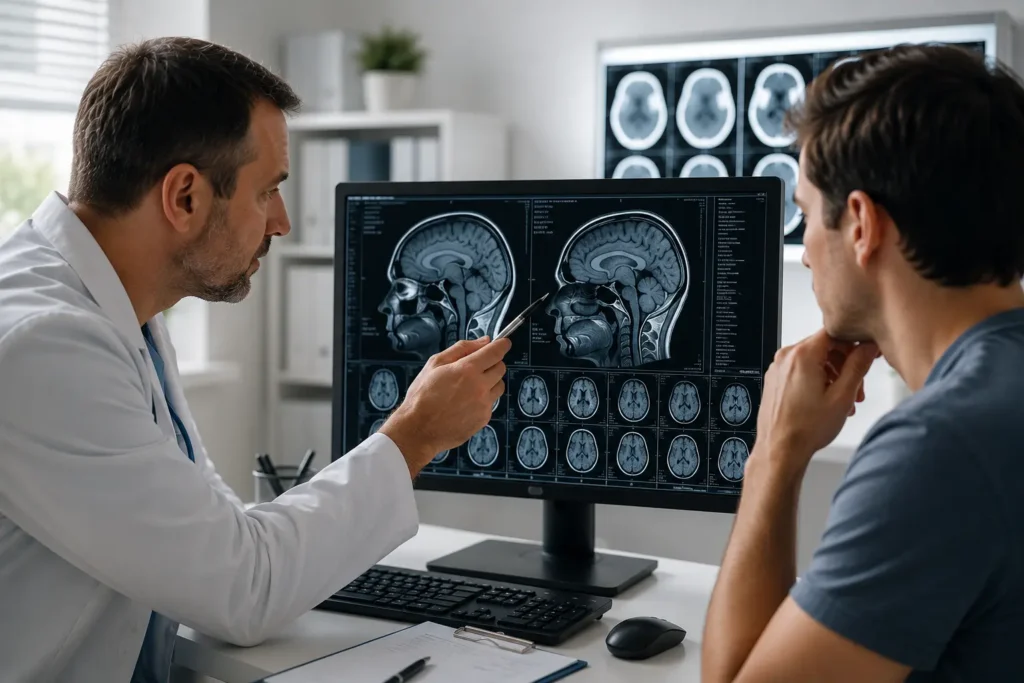
Diagnosing brain trauma after a crash is essential for effective traumatic brain recovery. Medical exams uncover hidden neurological damage from car accidents. Early detection enhances recovery outcomes. Key methods include neurological exams to assess reflexes, coordination, and cognition. CT scans identify brain swelling or skull fractures. MRIs reveal detailed tissue damage. They guide long-term recovery plans for TBI effects.
The Glasgow Coma Scale evaluates consciousness through eye, verbal, and motor responses. Cognitive tests detect memory or focus deficits caused by brain trauma after a crash. Blood tests for biomarkers like GFAP confirm injury. These proven methods ensure accurate diagnosis. They enable tailored treatments like therapy or surgery. Let’s discuss the most important methods:
- Neurological Exam. Doctors test reflexes, coordination, and memory. They assess speech and motor skills. This identifies brain trauma after a crash.
- CT Scan. This imaging shows brain swelling or bleeding. It detects skull fractures. It’s critical for diagnosing brain trauma after a crash.
- MRI Scan. Detailed images reveal tissue damage. It detects diffuse axonal injury. This supports traumatic brain recovery planning.
- Glasgow Coma Scale. This evaluates consciousness levels. Scores assess eye, verbal, and motor responses. Low scores indicate severe brain trauma after a crash.
- Cognitive Testing. Tests measure memory and problem-solving. Slow responses or errors signal damage. These guide traumatic brain recovery strategies.
- Blood Tests. Biomarkers like GFAP indicate brain injury. Elevated levels confirm trauma after a crash. They track traumatic brain recovery progress.
These methods identify damage early. Accurate diagnosis guides treatment, like therapy or surgery. Regular follow-ups monitor traumatic brain recovery. They ensure tailored care for trauma after a crash.
Treatment & Care Options
Treating post-accident brain injury focuses on neurological care and traumatic brain recovery. Options aim to restore function and manage symptoms. Let’s discuss the key treatments:
- Medication. Drugs reduce swelling or seizures. Pain relievers help with headaches. These support traumatic brain recovery.
- Physical Therapy. Exercises improve balance and strength. It aids mobility after a post-accident brain injury.
- Occupational Therapy. Training restores daily skills. It helps with memory and tasks for recovery.
- Speech Therapy. Therapy improves communication. It addresses speech issues from post-accident brain injury.
- Cognitive Rehabilitation. Programs retrain memory and focus. They target cognitive deficits for traumatic brain recovery.
- Psychotherapy. Counseling manages depression or anxiety. It supports emotional health after a post-accident brain injury.
- Surgery. Procedures remove blood clots or repair fractures. This is critical for severe post-accident brain injury.
Neurological care is key to traumatic brain recovery. Specialists monitor progress carefully. Tailored rehabilitation plans address post-accident brain injury symptoms. Regular therapy improves outcomes. Support groups aid emotional recovery. Early intervention is crucial.
When to See a Specialist
Long-term TBI effects and symptoms over time can signal serious issues. Some symptoms require immediate specialist attention. Expert care provides proper diagnosis and treatment. Below are signs warranting urgent specialist care:
- Worsening Headaches. Severe or persistent headaches that intensify. This signals potential long-term TBI effects. Specialists can perform imaging to assess damage.
- Seizures. Sudden convulsions or shaking episodes. These indicate severe TBI symptoms over time. Specialists provide seizure management plans.
- Severe Confusion. Increasing disorientation or memory lapses. These reflect long-term consequences. Specialists conduct cognitive testing for clarity.
- Vision or Hearing Loss. Sudden changes in sight or hearing. These are critical TBI symptoms over time. Specialists diagnose sensory issues.
- Uncontrollable Vomiting. Repeated vomiting after a head injury. It suggests serious chronic consequences. Specialists offer emergency evaluations.
- Weakness or Numbness. Many patients experience these TBI symptoms over time. Specialists provide neurological assessments.
Life after a brain injury can be unpredictable and full of restrictions. With proper rehabilitation and support from professionals, recovery prospects improve. Contact our rehabilitation center after a serious accident. You are choosing in favor of a long and fulfilling life. Do not put your health at risk and trust the professionals!
Dizziness after an accident is a serious symptom that demands immediate attention. Car collisions can cause traumatic brain injuries (TBIs). These injuries often lead to dizziness and balance problems. It may seem like a minor issue. However, dizziness usually signals neurological damage, not just physical harm.
The brain controls balance, coordination, and spatial awareness. A sudden jolt or impact can disrupt these functions. Dizziness after an accident may result from damaged neural pathways or inner ear injuries. Concussions or diffuse axonal injuries are common in crashes. These affect brain signaling and lead to persistent vertigo or imbalance.
Ignoring dizziness can worsen outcomes. It may indicate swelling, bleeding, or other brain issues. These conditions require urgent care. Neurological damage can cause long-term problems like chronic dizziness or cognitive issues. Early evaluation by a specialist is critical. MRIs or balance assessments can pinpoint the cause. Addressing dizziness after an accident promptly supports recovery and prevents complications.
Key Signs of the Problem
Dizziness following an accident is a critical warning sign of potential brain trauma. It is often overlooked due to its seemingly mild nature. This symptom may manifest as dizziness, lightheadedness, or disorientation. It frequently indicates underlying neurological issues, particularly after car collisions. A sudden impact can jolt the brain and disrupt its normal function. This leads to concussions or more severe conditions like TBI.
Early recognition of dizziness is vital for timely medical intervention. Delayed treatment can make neurological damage worse. It can also prolong recovery or lead to permanent complications. Prompt assessment by a healthcare professional is crucial. It ensures proper diagnosis and management, improving outcomes.
Here are the signs linked to head injury and vertigo:
- Persistent Vertigo. Feeling the world spins or tilts. This is a key sign of head injury and vertigo. It disrupts balance and daily tasks.
- Nausea or Vomiting. Confusion after an accident often causes nausea. Vomiting may follow. These suggest brain or inner ear damage.
- Balance Problems. Trouble walking or standing steady. This reflects a head injury and vertigo, increasing fall risks.
- Headaches. Ongoing or worsening headaches that accompany dizziness after an accident. They may signal brain inflammation.
- Confusion. Difficulty focusing or feeling disoriented. This ties to head injury and vertigo, affecting cognitive clarity.
- Ringing Ears or Hearing Issues. Ringing in the ears or muffled hearing. These signs are generally linked to dizziness after an accident. They indicate neurological disruption.
These symptoms highlight head injury and vertigo as signs of brain injury. They require prompt medical evaluation. Brain imaging or balance tests can confirm damage. Early intervention prevents worsening effects.
What Causes It Neurologically?
Balance problems after a car crash can signal severe neurological damage. Immediate specialist attention is critical for specific neurological symptoms. Here are symptoms requiring urgent consultation:
- Concussion. A head impact disrupts brain function, leading to neurological dizziness. Individuals experience problems with coordination.
- Diffuse Axonal Injury. Shearing forces tear brain fibers during crashes. This causes balance issues and disrupts neural signals.
- Inner Ear Damage. Inner ear injury affects balance systems. It is a primary neurological cause of dizziness that triggers vertigo.
- Brain Swelling. Post-crash inflammation increases pressure inside the skull. This contributes to balance issues and affects coordination.
- Cervical Spine Injury. Neck trauma impacts brain signals. This neurological cause leads to imbalance and coordination problems.
Neurologists provide advanced diagnostics like MRIs and balance tests. They address balance issues with tailored treatments after a car crash. For post-crash lightheadedness, they offer medication or therapy plans. Inner ear trauma may require vestibular rehabilitation or repositioning maneuvers. Early specialist care prevents chronic complications. Doctors monitor progress to adjust treatments as needed. Seeking help promptly for these symptoms ensures better recovery outcomes.
Identifying Damage Early
Recognizing post-crash lightheadedness is vital for detecting hidden brain injuries. Car accidents can cause subtle neurological damage that may not be immediately obvious. Early identification improves treatment success significantly. Here are signs revealing potential injuries:
- Persistent Dizziness. Ongoing lightheadedness or spinning sensations after crashes. This post-crash lightheadedness suggests brain or inner ear damage.
- Balance Issues. Difficulty walking or standing steadily after an accident. This indicates inner ear trauma and can increase fall risks.
- Nausea. Feeling sick or vomiting after a crash. This ties to post-crash lightheadedness and signals neurological disruption.
- Hearing Changes. Ringing ears or muffled sounds after accidents. These are signs of inner ear trauma and point to vestibular injury.
- Visual Disturbances. Blurred or double vision after a collision. This reflects post-crash lightheadedness and suggests brain involvement.
Monitoring symptoms reveals hidden brain damage from car accidents. Inner ear trauma from crashes often signals concussions or vestibular injuries. These cause dizziness or imbalance problems. Symptoms like persistent vertigo, nausea, or confusion may emerge gradually. These indicate underlying neurological issues that need attention.
Brain imaging, such as MRIs or CT scans, detects brain swelling or nerve damage. Balance tests assess inner ear function, pinpointing trauma locations. Early specialist care prevents worsening symptoms over time. This includes neurological evaluations or vestibular therapy programs. Ignoring signs risks long-term complications like chronic dizziness or cognitive problems. Regular checkups track recovery progress effectively.
Diagnosis Methods You Should Know
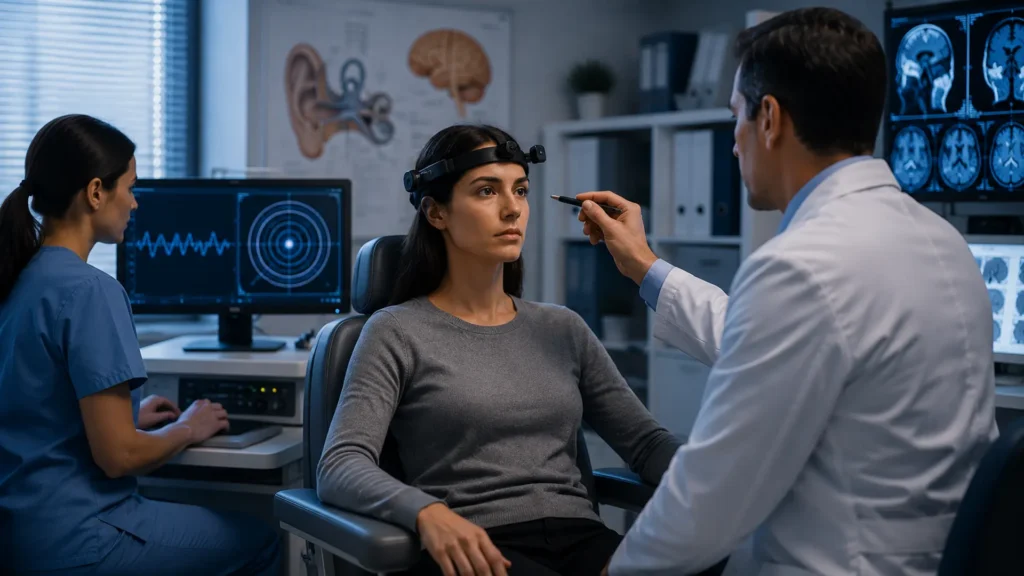
Diagnosing brain injury and related dizziness is crucial for effective treatment. Medical examinations can uncover hidden neurological damage from car accidents, and early detection significantly improves recovery outcomes.
Key diagnostic dizziness methods after an accident include:
- Neurological Examination. Doctors assess balance, coordination, reflexes, vision, and hearing to detect signs of brain injury and dizziness.
- CT Scan. This imaging technique reveals brain swelling, bleeding, or skull fractures, making it essential for diagnosing accident-related injuries.
- MRI Scan. Detailed brain images show tissue damage and can detect inner ear or nerve fiber injuries, confirming the causes of post-accident dizziness.
- Balance Testing. Specialized tests evaluate inner ear function through balance and eye movement assessments. Abnormal results indicate dizziness from inner ear trauma crash.
- Glasgow Coma Scale. This standardized assessment measures consciousness levels by evaluating eye, verbal, and motor responses. Lower scores indicate more severe brain injury.
- Dix-Hallpike Maneuver. This specific test can trigger vertigo to assess inner ear problems. Positive results link post-accident dizziness to trauma.
- Blood Biomarkers. Laboratory tests measure proteins like S100B, and elevated levels indicate brain damage, supporting the diagnosis of brain injury.
These diagnostic tools help determine the extent of neurological damage. Accurate diagnosis guides treatment plans, including appropriate medications and therapy. Medical specialists use these assessments to effectively address brain injury and related dizziness. Regular follow-up evaluations monitor recovery progress and allow for treatment adjustments as needed.
Treatment Options
Treating dizziness after an accident requires specialized neurological care. Addressing the neurological causes of dizziness improves patient outcomes, and rehabilitation therapy plays a key role in recovery.
Treatment options include:
- Medication. Anti-vertigo medications can reduce dizziness after an accident, while antidepressants may help manage related anxiety. These target the underlying neurological causes.
- Vestibular Rehabilitation. Specialized exercises improve balance and help retrain the brain to compensate for injury. This therapy effectively addresses head injury-related balance problems and reduces unsteadiness.
- Cognitive Therapy. Mental training enhances focus and memory, helping patients cope with the cognitive effects of neurological dizziness. Regular sessions provide significant support for mental clarity.
- Canalith Repositioning. Techniques like the Epley maneuver treat vertigo caused by head injuries by repositioning particles in the inner ear, reducing causes of neurological dizziness.
- Physical Therapy. Strength and coordination exercises aid recovery by addressing post-accident dizziness and improving overall mobility.
- Counseling. Psychological support addresses emotional distress and helps patients manage stress related to their condition, supporting overall mental health.
- Lifestyle Modifications. Adequate rest and proper hydration aid recovery. Avoiding triggers like bright lights can reduce symptoms, supporting the management of neurological dizziness.
Specialized neurological care is essential for post-accident dizziness. Medical specialists develop individualized treatment plans for head injuries and related balance problems. Regular therapy sessions improve both balance and cognitive function. Consistent monitoring ensures effective treatment, and early intervention prevents chronic issues. Support groups provide valuable emotional assistance, and comprehensive care enhances overall recovery.
When to Seek Specialist Care
Car crash balance issues can indicate severe neurological damage requiring immediate medical attention. Certain symptoms require urgent specialist consultation:
- Severe Vertigo. Intense, persistent spinning sensations that indicate serious balance system damage require vestibular testing for proper diagnosis.
- Frequent Fainting. Sudden loss of consciousness or near-fainting episodes are signs of significant neurological problems requiring immediate evaluation.
- Worsening Coordination. Difficulty walking or frequent stumbling indicates possible brain or inner ear trauma crash that needs advanced imaging studies.
- Sudden Hearing Loss. Rapid onset of hearing problems or tinnitus requires evaluation of auditory nerve pathways.
- Persistent Nausea. Ongoing vomiting or severe nausea may signal brain injury and requires blood tests to detect injury markers.
- Cognitive Decline. Increasing confusion or memory problems related to the accident require cognitive assessments for proper evaluation.
Neurological specialists provide advanced diagnostic testing including MRIs and comprehensive balance evaluations. They develop tailored treatment plans that may include medications, therapy programs, vestibular rehabilitation, or specialized positioning techniques. Early specialist intervention prevents chronic complications, and ongoing monitoring allows for treatment adjustments as recovery progresses. Seeking prompt medical attention for these symptoms ensures the best possible recovery outcomes.
A split second can change everything. Car accidents don’t just leave behind twisted metal and broken glass — they can unleash a lifetime of invisible torment. What starts as sharp, immediate pain after impact can evolve into relentless nerve pain that haunts victims for years. This debilitating chronic pain affects millions of accident survivors, turning simple daily activities into agonizing challenges. The burning, shooting sensations can persist long after visible injuries heal, making effective pain management crucial for reclaiming your life. Understanding how crashes damage your nervous system is the first step toward finding relief.
Causes of Nerve Pain Post-Accident
Motor vehicle injuries after accidents are accompanied by numerous medical complications. Accident victims feel pain and develop various health problems requiring immediate attention. Often, injuries can be both visible and hidden from initial examination.
Accidents cause nerve damage, which leads to constant pain and ongoing discomfort. Everyone should understand the causes associated with accidents to address them effectively. Most car accidents cause head injuries, concussions, and other serious medical consequences.
Here are the leading causes of nerve pain following motor vehicle accidents:
- Spinal cord injury. Spinal cord injury represents the most serious cause after accidents. Crashes cause damage to nerve fibers, leading to inflammation and persistent pain. Patients experience unbearable pain, numbness, and significant weakness in affected areas.
- Peripheral nerve injury. Peripheral nerve damage occurs when nerves are stretched, compressed, or torn. This injury is often accompanied by burning and shooting pain throughout limbs. Patients may experience constant chronic pain and develop depression or anxiety.
- Herniated and displaced vertebrae. Herniated discs and displaced vertebrae occur due to compression of spinal nerves. This process is often long-term and leads to radiculopathy and neuropathic pain. The condition requires specialized treatment and rehabilitation to prevent permanent damage.
- Nerve inflammation. In addition to spinal cord injury, accidents can cause widespread nerve inflammation. Neuroinflammation irritates nerve pathways and provokes unbearable burning pain throughout affected regions.
- Scar tissue formation. After injuries heal, patients often develop scar tissue around damaged nerves. These scars can cause pain and burning sensations after pressure or light touch. Scar tissue can compress nerves and create ongoing discomfort.
- Complex regional pain syndrome. Motor vehicle injuries can cause complex regional pain syndrome as a complication. This syndrome appears rarely but causes severe pain and significantly impaired movement.
Symptoms of Chronic Nerve Pain
Chronic pain develops over time following car accidents and can persist indefinitely. Patients may have serious injuries including nerve damage and traumatic brain injury. Symptoms cause unpleasant sensations accompanied by pain, numbness, and burning throughout affected areas.
Sometimes patients find it difficult to describe what they feel after accidents. Due to nerve damage, motor vehicle injuries require thorough examination by medical specialists. Here are the key symptoms of chronic nerve pain to recognize:
- Tingling sensations. Patients often feel tingling even without physical exertion or movement. These sensations are accompanied by uncomfortable feelings that may pass over time or intensify.
- Numbness in extremities. After serious car accidents, many people experience numbness in various body regions. In areas such as shoulders, arms, and legs, patients feel decreased sensitivity. Even without visible damage, these symptoms are serious and potentially dangerous.
- Burning pain. Burning pain can occur at any time and causes significant painful sensations. Often, burning pain intensifies at night or after touching the injured area.
- Hypersensitivity to touch. Hypersensitivity is another symptom after motor vehicle injuries that doesn’t improve with time. Any touch, even from clothing, can cause discomfort and significant pain.
- General discomfort. Discomfort occurs during sleep, concentration, and even during light activities. Patients feel reduced activity levels, mood changes, and pulsating sensations throughout their body.
- Muscle weakness. Nerve pain can provoke muscle weakness, leading to chronic irritation and fatigue. Patients feel muscle fatigue and experience difficulty controlling body movements effectively.
Medical and Legal Perspectives on Pain Management
Motor vehicle injuries after accidents become a source of real discomfort for patients. These injuries are accompanied by constant pain causing discomfort and various debilitating symptoms. Pain extends beyond physical effects and becomes an obstacle to everyday functioning.
Pain affects all aspects of a person’s life, from sleep quality to work performance. It’s essential to understand chronic pain from both medical and legal perspectives. Proper treatment provides the foundation for patient well-being and successful recovery.
- Medical perspective:
The medical approach includes determining the underlying cause and contributing factors to pain. Doctors conduct comprehensive tests to check for nerve damage and inflammation throughout the body. Medical professionals also examine inflammation patterns and create personalized treatment plans for each patient.
Pain management includes medications that help promote healing and reduce symptoms. Doctors often prescribe physical therapy to improve mobility and reduce muscle tension. Procedures such as injections and electrical stimulation are integral components of comprehensive recovery programs.
To minimize the impact of nerve pain, doctors provide patients with psychological support services. The key aspects include reducing pain intensity and improving the patient’s overall quality of life.
- Legal perspective:
From a legal standpoint, patients may be able to file for compensation after accidents. Documenting the progression of pain helps support personal injury claims for appropriate compensation. The legal aspect of motor vehicle injuries includes evidence gathering and ongoing medical documentation.
Healthcare providers conduct thorough patient history reviews and maintain detailed medical records. This documentation is essential for recovering financial compensation for medical expenses and lost wages. Patients can receive financial compensation for lost income, medical bills, and pain and suffering.
The legal aspect also includes covering treatment costs and providing compensation for emotional distress. Attorneys work closely with doctors to investigate motor vehicle injuries and their long-term effects.
Treatment Strategies for Chronic Nerve Pain
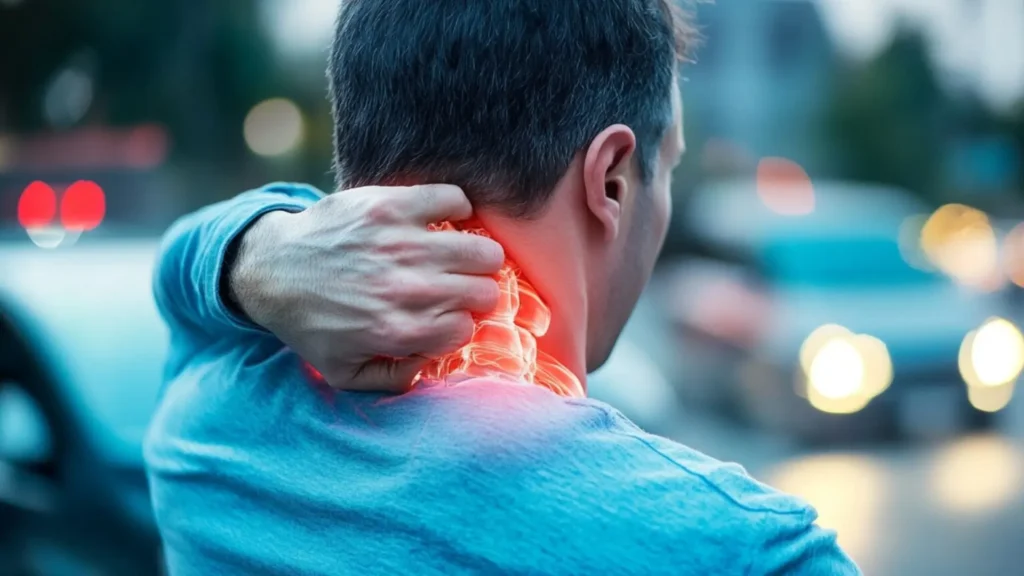
Chronic pain treatment is essential for patient recovery and improved quality of life. After accidents, it’s crucial to understand all symptoms and obtain comprehensive medical history. Accidents can cause different types of pain that become chronic and cause significant discomfort.
Healthcare providers use several treatment methods specifically designed for individual patients. Personalized treatment includes medication management, counseling, and medical interventions when necessary. These methods are integral to restoring function after serious car accidents.
Here are the key components of comprehensive treatment strategies:
- Medication management. Doctors prescribe specialized medications that reduce nerve excitability and control pain signals. Patients are often prescribed antidepressants to treat depression and restore psychological function. Pain relievers are essential for relieving pain, reducing tension, and relaxing muscles effectively.
- Therapeutic interventions. Therapy provides an excellent approach to facilitate treatment and achieve optimal results. Physical therapy is used to improve mobility and reduce muscle tension throughout the body. Psychotherapy helps patients cope with anxiety, depression, and adjustment difficulties after accidents.
- Medical interventions. Medical interventions are essential for patients with severe cases requiring specialized treatment. Doctors use steroid injections to reduce inflammation and provide significant pain relief. Electrical stimulation therapy is used to reduce pain signals and improve nerve function.
Rehabilitation and Support
Rehabilitation and support are essential components of recovery from chronic nerve pain. Each approach offers unique benefits and positive effects on patient outcomes. A comprehensive approach provides the best results for speedy and complete recovery.
After serious car accidents, patients need both physical therapy and psychological support for optimal healing. Here are the key characteristics of comprehensive rehabilitation approaches:
- Physical rehabilitation programs. Physical rehabilitation focuses on post-accident adaptations to promote healing and recovery. Physical rehabilitation often includes orthotic devices and comprehensive physical therapy programs. Physical therapy is essential for strengthening muscles and improving musculoskeletal system function.
- Psychological support services. Psychological support includes cognitive behavioral therapy, support groups, and mindfulness practices. Cognitive behavioral therapy helps patients combat stress and depression while restoring emotional stability. Support groups involve connecting with others who have similar experiences, reducing isolation and loneliness.
Preventing Long-Term Complications
Chronic pain after accidents creates severe disruption in patients’ daily lives. To prevent long-term complications, it’s essential to approach recovery correctly from the beginning. Early intervention and proper medical care help promote healing after car accidents.
Early treatment measures are essential for recovery after serious motor vehicle injuries. Monitoring your health and consulting healthcare providers is mandatory for successful recovery outcomes. Here are proper steps to protect your health and reduce chronic nerve pain:
- Recognize early warning signs. It’s essential to take any symptoms seriously and consult healthcare providers immediately. Subtle pain, tingling, and numbness can indicate developing nerve damage requiring prompt treatment.
- Seek professional diagnosis. Healthcare providers will help establish correct diagnoses and choose personalized treatment approaches. Pain management includes medications, neurological examinations, and specialized tests for comprehensive recovery planning.
- Begin physical therapy early. Starting physical therapy early in recovery helps improve muscle activity and function. For recovery from spinal cord injuries, muscle strengthening and musculoskeletal exercises are essential components.
- Address mental health needs. Mental health is an integral part of successful recovery from chronic pain. Working with therapists and psychologists can help reduce emotional distress and depression. Mental health professionals can improve psychological well-being and reduce stress levels significantly.
- Practice healthy lifestyle habits. It’s important to protect injured areas and maintain healthy daily habits. Motor vehicle injuries are serious conditions, but early intervention can help reduce long-term pain. Good sleep hygiene, proper hydration, and balanced nutrition support healing and recovery.
Follow medical recommendations. Adhering to all medical recommendations and attending follow-up appointments is crucial for preventing complications. Taking medications as prescribed and participating in recommended therapies improves long-term outcomes significantly.
After a car accident, your body may send alarming signals that cannot be ignored. Sharp pain is an obvious sign of trauma, but numbness and tingling can be even more dangerous symptoms. These sensations of loss of feeling and pins-and-needles after a car crash often indicate serious nerve or spinal damage. Many accident victims mistakenly believe that absence of pain means absence of injury, but symptoms like loss of sensation or “pins and needles” require immediate medical attention. Understanding these warning signs could save your life and prevent permanent damage.
Causes of Numbness and Tingling
Car crashes can cause numerous health problems for accident victims and their families. Unfortunately, concussions and other serious injuries are common after motor vehicle accidents. Specific nerve-related problems often develop following crashes, affecting daily functioning and quality of life.
These sensations can be localized to specific body areas or affect your entire body. Understanding the most common causes that alter your sensations is important for proper recovery. Numbness and tingling frequently result from accident-related trauma to nerves and surrounding tissues.
Here are the primary reasons accidents can affect your health and well-being:
- Whiplash injuries. This injury occurs when your neck sustains damage during a sudden impact. Soft tissues often stretch beyond their normal range, significantly impacting nerve endings and function. People experience considerable numbness in the neck, arms, and chest areas after whiplash.
- Herniated disc. Disc herniation directly affects nerve endings and causes significant discomfort and pain. Hernias commonly occur near intervertebral discs in the neck, causing severe ongoing pain. People experience intense pain accompanied by numbness and persistent tingling sensations.
- Pinched nerves. Nerve compression can result from accidents when tissues sustain damage from impact. Crashes significantly impact bones and cartilage, causing substantial pain throughout affected areas. People feel weakness and numbness in specific areas of their body.
- Spinal cord injury. This damage is severe and requires immediate hospitalization and comprehensive treatment. Accident victims can damage their spinal cord, causing intense pain and localized numbness. These injuries require comprehensive medical intervention and long-term rehabilitation care.
- Peripheral nerve damage. Damage to peripheral nerves represents another serious consequence of motor vehicle accidents. Blunt trauma affects peripheral nerves, leading to uncomfortable and abnormal sensations throughout limbs.
- Concussion. Concussions result from head impacts, disrupting normal sensory signal transmission in the brain. People experience uncomfortable sensations in specific areas of their body after head trauma. These conditions often include sharp tingling and painful shock-like sensations.
- Swelling and inflammation. Accident victims may experience soft tissue inflammation and severe swelling around injuries. Swelling appears almost immediately near injury sites, causing significant discomfort and tingling sensations.
Identifying Severity of Symptoms
Everyone should understand that accidents pose serious dangers to health and life. Numbness and tingling can accompany painful sensations of varying intensity and duration. These conditions may be mild and temporary or create extensive long-term problems.
Some cases resolve over time, but underlying dangers may persist without proper treatment. Understanding symptom severity helps you seek timely medical consultation and appropriate care. Here’s key information about important warning signs to recognize:
- Persistent symptoms lasting days. If these sensations continue for more than a few days, consulting a doctor is essential. Accidents can lead to severe nerve damage requiring professional medical treatment and rehabilitation.
- Loss of strength and coordination. People may experience weakness and coordination problems due to nerve damage from trauma. Difficulty with walking movements indicates potential spine and nerve problems requiring immediate evaluation.
- Bladder or bowel dysfunction. Accident victims may experience symptoms significantly impacting spinal cord function and control. Bladder or bowel control problems represent serious medical emergencies requiring immediate attention. These cases involve numbness requiring urgent hospitalization and immediate specialized treatment.
- Radiating pain patterns. After accidents, pain can spread to arms and legs, creating widespread tingling sensations. Spinal cord injuries may develop, requiring urgent medical treatment and comprehensive intervention plans.
- Cognitive symptoms and confusion. Confusion, severe headaches, or concussion symptoms require immediate hospitalization and neurological evaluation. Memory impairment and cognitive ability changes indicate serious brain injury requiring specialized care.
How These Symptoms Affect Daily Life
Symptoms following accidents can substantially impact daily functioning and overall quality of life. They often affect normal activities and create significant challenges with routine tasks. Physical limitations and ongoing discomfort cause problems with everyday activities and work responsibilities.
People may experience sensory changes that become obstacles to performing simple tasks effectively. Car crashes can disrupt daily life and significantly affect mood and emotional well-being. Here’s how these problems impact your daily life and functioning:
- Reduced sensitivity and dexterity throughout the body. People experience decreased sensitivity and dexterity in hands and other body parts. Numbness can affect the entire body, lasting from minutes to several hours daily. Fine motor skill problems make it difficult to fasten clothing and perform detailed work tasks.
- Impaired mobility and balance problems. People experience mobility and balance problems accompanied by significant discomfort and instability. Fall risk increases when walking becomes difficult and maintaining stability becomes challenging throughout the day. Accidents cause nerve damage, resulting in impaired mobility and coordination problems.
- Sleep disturbances and fatigue. Sleep impairment represents another serious condition following accidents that affects daily functioning. Constant pain, numbness, or tingling prevents proper rest and quality sleep each night. After poor sleep, people lose mental clarity and experience difficulty concentrating throughout the day.
- Emotional and psychological effects on well-being. Emotional and psychological consequences after car accidents are equally important for recovery. Disturbed sensory symptoms cause fear and can lead to social isolation from friends. People experience workplace difficulties and struggle with concentration and focus on important tasks.
Medical Diagnosis and Testing
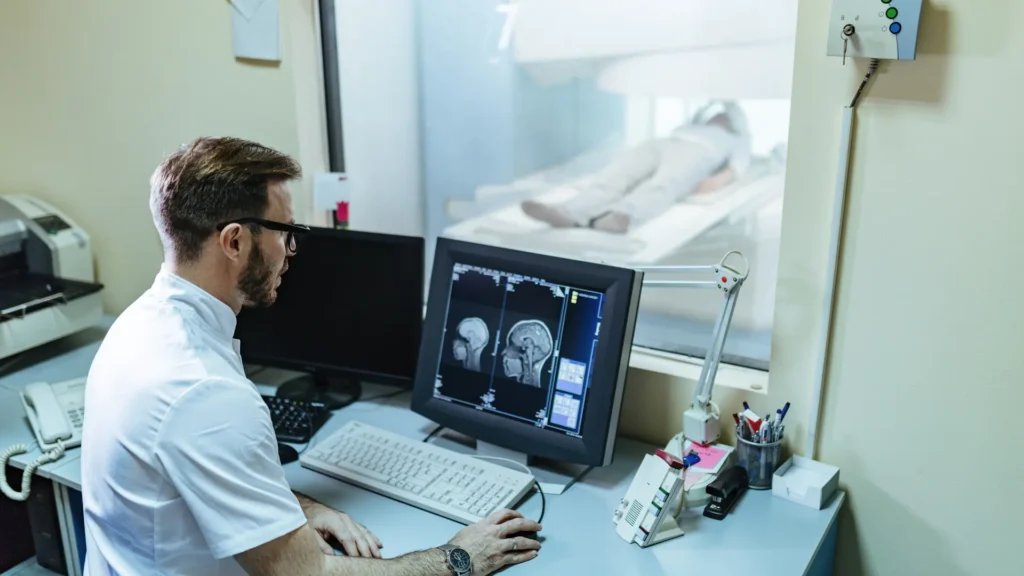
Accidents can cause traumatic brain injuries requiring comprehensive medical evaluation and ongoing monitoring. Medical diagnostics and examinations are crucial following car accidents to identify underlying injuries. People immediately experience numbness and tingling accompanied by pain and significant discomfort.
Doctors assess your condition and physical symptoms to prescribe appropriate treatment plans. Here’s how medical professionals conduct comprehensive diagnostics and thorough examinations:
- Medical history and physical examination. Doctors collect detailed patient history and assess all physical symptoms thoroughly and carefully. Medical professionals check muscle sensitivity, reflexes, and evaluate all accident-related nerve damage systematically.
- Nerve conduction studies and electromyography testing. These specialized tests are essential for accurate diagnosis of nerve injuries. Tests help demonstrate muscle activity levels and nerve signal transmission throughout the body. Nerve studies help identify specific injuries and guide comprehensive treatment planning effectively.
- Magnetic Resonance Imaging (MRI) scans. Doctors perform MRI scans to evaluate soft tissue and intervertebral disc conditions accurately. MRI helps detect hernias and inflammation for comprehensive treatment planning and ongoing care.
- Computed Tomography (CT) imaging. CT scans allow doctors to assess injury severity and extent throughout the body. Medical professionals examine the spine for fractures and structural integrity problems requiring immediate attention.
Treatment and Rehabilitation Options
Patient assessment helps determine appropriate treatment and rehabilitation approaches for optimal recovery. Treatment for numbness and tingling requires serious commitment and time for effective healing. Accidents can have multiple contributing factors affecting your health and long-term recovery prospects. Here are key treatment and rehabilitation options available following car crashes:
- Medication management for symptom control. Doctors prescribe medications to control symptoms and manage pain effectively throughout recovery. Pain relievers are commonly prescribed to reduce inflammation and discomfort in affected areas. Specialized muscle relaxants help relieve muscle spasms and ease persistent nerve pain.
- Physical therapy and exercise programs. Medical professionals use physical therapy to reduce numbness and restore normal function. Specialized exercises help improve muscle activity, strength, and coordination abilities over time. Physical therapists design proper and individualized techniques for each patient’s specific needs.
- Occupational therapy for daily activities. Occupational therapy helps patients adapt to sensory changes and functional limitations effectively. Therapists help patients develop effective strategies for routine daily tasks and work activities. Medical professionals use specific techniques to reduce tingling and numbness symptoms.
- Lifestyle modifications and health changes. Doctors recommend lifestyle changes for people recovering from accident-related injuries. Healthy sleep, proper nutrition, and appropriate physical activity are typically required for healing. Adequate health maintenance helps nerves heal and minimizes long-term injury impact.
When to Seek Specialist Help
Accidents can cause numerous problems affecting your emotional and physical well-being significantly. Understanding when to seek specialist help is essential for proper recovery and healing. Constant discomfort, including numbness and tingling lasting several days, requires immediate medical attention.
During these conditions, consulting a doctor promptly is crucial for successful recovery outcomes. Medical professionals will take comprehensive history and prescribe appropriate treatment plans for your condition. Accidents can cause severe nerve damage accompanied by pain and significant ongoing suffering.
Specialists help choose individualized treatment plans and appropriate procedures for optimal recovery success. Lifestyle changes and medications can reduce physical stress and manage pain effectively over time. Symptoms can indicate nerve damage and spinal cord injuries requiring immediate professional attention.To minimize complications, understanding your injury and its health impact is essential for recovery. People may experience sharp or radiating pain at injury sites requiring medical evaluation. Neurologists conduct comprehensive tests to determine injury causes and severity levels accurately.