
Health is the most important aspect of life. Unfortunately, people can sustain injuries that cause significant discomfort and complications. Various complications can develop after traumatic brain injuries, affecting quality of life and creating obstacles to recovery. Post-traumatic seizures occur following a traumatic brain injury. These seizures can be isolated incidents or recurring episodes that happen almost daily.
Seizures may develop within a week, a month, or even years after the initial injury. While seizures cause considerable discomfort, they are treatable with proper medical care. For someone experiencing this situation, understanding the risks and symptoms is essential. This knowledge helps you consult with a doctor quickly and choose the best treatment options.
Seizures can result from brain hemorrhage, coma, or skull fractures. Even minor injuries can lead to serious neurological complications. These symptoms negatively impact behavior and can change a person’s outlook on life. Seizures significantly affect emotional well-being and may lead to neurological disorders. Understanding these dangerous epileptic disorders will be the first step towards recovery and treatment.
Causes and Risk Factors
After a traumatic brain injury, people often struggle with normal functioning and face many challenges. Seizures represent the body’s response to brain trauma and stress. General neurology plays a crucial role in maintaining health and promoting recovery.
The primary cause of seizures is abnormal brain activity following physical trauma. These impacts occur after a blow, jolt, or serious head injury. The resulting brain damage creates abnormal electrical impulses that trigger seizures. Severe injury caused by physical trauma represents the main risk factor.
People who have experienced skull fractures and brain hemorrhages face significant risk. Post-traumatic seizures create real, daily discomfort beyond just being a medical issue. The highest seizure risk comes from brain swelling or prolonged unconsciousness. With severe damage, symptoms can become debilitating and life-altering.
Additional risk factors include age, previous head injuries, and existing epilepsy. People who don’t take proper precautions may be more susceptible to seizures. Neurological damage can reduce oxygen flow to the brain, increasing seizure likelihood. Post-traumatic seizures can appear unpredictably and may persist for extended periods.
While seizures typically occur within the first few hours after injury, they can emerge months later. For anyone who has sustained even a minor traumatic brain injury, medical evaluation is essential. Doctors can identify the factors causing seizures and prescribe effective recovery methods.
Recognizing Seizure Symptoms
Symptom identification after a traumatic brain injury is crucial for proper treatment. Symptoms can manifest in various ways and cause significant discomfort. They usually appear unexpectedly and create considerable distress for patients and families. Early recognition is critical for proper treatment and preventing long-term complications.
Here are the key symptoms to watch for after traumatic brain injuries:
- Muscle twitching and spasms. People often experience muscle twitching and uncontrolled movements of arms and legs. This symptom is usually painless but can last several minutes.
- Loss of consciousness. People may suddenly lose consciousness or become unaware of their surroundings. This symptom commonly occurs after concussions and causes significant medical concern.
- Visual or auditory disturbances. Patients may experience ringing in the ears and temporary vision problems. Sensitivity to bright lights or loud sounds can cause irritation and pain.
- Repetitive behaviors. The person loses control and may perform strange, automatic actions. Common symptoms include repetitive blinking, walking in circles, and temporary memory loss.
- Behavioral changes. Behavior may change dramatically, with increased anger and difficulty controlling emotions. Panic and fear are common symptoms following traumatic brain injury.
- Muscle stiffness. Body rigidity and muscle tension are important symptom identification to recognize. During seizures, people may feel extremely tense and could fall, risking serious injury.
- Confusion and disorientation. Seizure activity often includes confusion, extreme fatigue, and severe headaches. Treating headaches promptly is essential to prevent long-term seizure complications.
Diagnosis and Testing
Proper diagnosis and testing are essential for effective treatment planning. Doctors assess your condition accurately and prescribe appropriate treatment based on findings. Traumatic brain injury poses serious risks due to potential seizures and complications. Brain damage from injury often leads to severe seizures and related symptoms.
Recovery from brain injury is essential for anyone who values their health. Here’s how medical professionals conduct diagnosis and testing:
- Medical history review. The doctor takes a detailed medical history and reviews all symptoms. They determine when first symptoms appeared, what you experienced, and how the injury occurred.
- Neurological examination. The doctor performs a comprehensive examination of neurotrauma to test reflexes and muscle strength. They assess memory, coordination, and speech abilities thoroughly. Identifying signs of brain impairment is crucial for prescribing proper treatment.
- Electroencephalogram (EEG). For detailed evaluation, doctors conduct an EEG to detect brain activity patterns. This process identifies abnormal brain wave activity and electrical discharges in the brain.
- Brain imaging. Brain imaging is critical for determining appropriate treatment approaches. MRI and CT scans create detailed pictures of brain damage after injury. These tests help doctors understand brain structure and identify seizure causes.
- Blood tests. Blood tests identify specific imbalances that might trigger seizures. Infections or low blood glucose levels can often cause seizure symptoms.
Treatment Options for Seizure Management
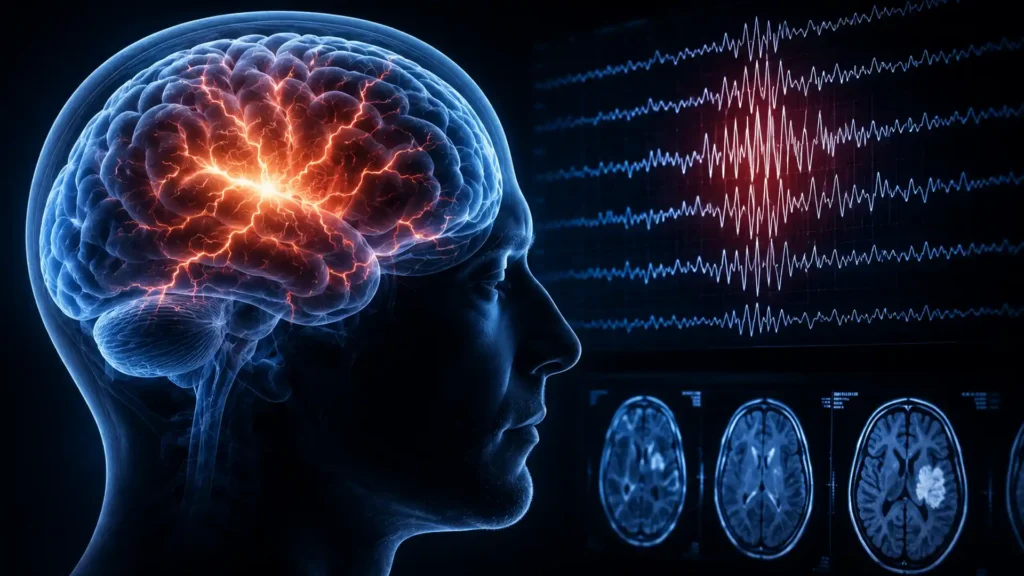
Effective seizure management is essential for recovery and improving patient health. Treatment following brain injuries plays a crucial role in the healing process. Doctors examine seizure severity and underlying causes to prescribe personalized treatment approaches. The primary goal is minimizing seizure recurrence and improving quality of life.
Here are the different treatment approaches using medication and therapy:
- Anti-seizure medications. Anti-seizure drugs are prescribed for severe conditions and symptom control. Phenytoin is commonly used to prevent early post-traumatic seizures. More potent medications are prescribed for long-term seizure management and control.
- Emergency medical care. Standard treatment options include emergency intervention during severe seizures or status epilepticus. To stop seizure progression, doctors administer specialized medications to stabilize the patient’s condition.
- Supportive therapy and lifestyle modifications. Lifestyle changes play a crucial role in maintaining well-being. Adequate sleep, proper nutrition, and avoiding alcohol significantly aid recovery. Supportive therapy effectively reduces stress and helps restore memory and attention.
- Surgical interventions. Surgery is a treatment option for serious, life-threatening conditions. These procedures are typically reserved for severe cases where medication proves ineffective.
- Psychological support. Treatment options include comprehensive social and psychological support for patients and families. Regular communication with healthcare providers and counseling improve emotional well-being. Mental health professionals help patients cope with anxiety, depression, and intrusive thoughts.
Impact on Brain Injury Recovery
Recovery after brain injury is essential, but seizures can significantly complicate healing. Seizures represent a serious consequence that creates additional medical challenges for patients. Understanding when seizures occur and investigating their causes is crucial for treatment.
Here are the key effects of post-traumatic seizures on recovery:
- Disrupted neuroplasticity. Seizures create excessive brain stimulation that disrupts neuroplasticity. The brain struggles to form new neural connections properly. This often worsens inflammation and swelling around the injury site.
- Slowed recovery progress. Seizures can significantly slow recovery by worsening existing symptoms. People often experience setbacks in recovering memory, speech, and motor function. The recovery process may take much longer when severe symptoms are present.
- Increased injury risk. Seizures increase the risk of additional injuries during recovery. These complications often delay rehabilitation therapy and require new medical interventions from specialists.
- Mental and physical health effects. While brain injury recovery is essential for well-being, seizures affect both mental and physical health. Patients experience psychological stress, chronic anxiety, and decreased motivation to participate in rehabilitation.
- Extended hospitalization. Patients experiencing seizures may require hospitalization and intensive treatment. Rehabilitation programs may need to be more comprehensive and longer in duration.
Living with Post-Traumatic Seizures
Life can continue meaningfully after traumatic brain injuries accompanied by seizures. Everyone should prioritize their health and plan for the future with optimism. Seizure management requires commitment to minimizing seizure recurrence through proper care.
Here’s what’s important to consider for successful management:
- Medication management. Taking medications as prescribed helps reduce symptoms and prevent complications. It’s crucial to follow dosing schedules and monitor your health carefully. Keeping a medication journal is essential for minimizing seizures and achieving improvement.
- Avoiding triggers. People recovering from brain injury should avoid known triggers completely. Stress, sleep deprivation, and alcohol consumption can provoke new symptoms and setbacks. Creating a safe environment at home and in daily life is essential.
- Safety modifications. Use soft furnishings, avoid heights, and limit strenuous physical activity when necessary. These precautions help prevent injuries during potential seizures or episodes.
- Emotional support. Emotional and psychological support is essential for managing seizures effectively. Healthcare providers can help identify personal triggers and develop coping strategies. Creating a supportive environment with family and friends is crucial for recovery.
- Professional mental health support. Regular communication with mental health professionals significantly improves patient outcomes. Counseling helps address anxiety, depression, and adjustment difficulties after brain injury.
- Physical activity and social engagement. Physical exercise and social activities with family help reduce negative impacts. People with brain injuries should have appropriate supervision and maintain healthy lifestyles. Emotional resilience and recovery depend on individual choices and commitment to treatment.
After a brain injury, following your doctor’s instructions is essential. Monitor your condition carefully and attend all follow-up appointments as scheduled. Surrounding yourself with loved ones, taking medications properly, and maintaining safety are crucial.
When someone experiences a significant head injury from a fall, sports accident, or car crash, the brain can sustain damage. Two terms often come up in these situations. concussion and traumatic brain injury (TBI). Both involve damage to the brain, but they’re not exactly the same. Understanding the difference can help you know what to expect and how to respond.
A concussion is a mild form of brain injury caused by a blow or jolt to the head. This makes the brain bounce inside the skull. It temporarily disrupts how the brain works but usually doesn’t cause lasting damage. You can think of it as similar to a bruise to the brain. It’s serious enough to need attention but often manageable with rest and care. Concussions are common in contact sports like football or hockey. They can also happen from everyday accidents, like slipping on ice.
A traumatic brain injury is a broader term that includes concussions but also covers more severe injuries. A TBI happens when a force causes significant damage to the brain. This includes bleeding, swelling, or torn tissue. This could result from a car crash, a fall from height, or a violent impact. Unlike a concussion, a severe TBI can lead to long-term problems or even be life-threatening. The key difference is the severity. all concussions are TBIs, but not all TBIs are concussions. Concussions are mild, while TBIs can range from mild to critical.
Both conditions affect the brain, but their impact and recovery paths vary. Knowing which one you’re dealing with helps doctors decide the best treatment. It also helps patients understand what lies ahead.
Common Symptoms of Both Conditions
The symptoms of a concussion and a TBI can overlap. Their intensity and duration often depend on the injury’s severity. Recognizing these signs early is crucial for getting the right care.
For a concussion, symptoms usually show up soon after the injury and may include:
- Headache or a feeling of pressure in the head
- Dizziness or trouble with balance
- Nausea or vomiting
- Feeling foggy or confused
- Sensitivity to light or noise
- Fatigue or trouble sleeping
These symptoms can be mild and may go away within a week or two with proper rest. Some people experience symptoms for longer. This condition is called post-concussion syndrome.
For a more severe traumatic brain injury, the symptoms can be more intense and alarming. In addition to concussion-like symptoms, a TBI might cause:
- Loss of consciousness (from a few seconds to hours)
- Severe confusion or disorientation
- Trouble speaking or moving parts of the body
- Seizures
- Clear fluid or blood leaking from the ears or nose
- Memory loss or difficulty concentrating
Severe TBIs can also lead to coma or long-term cognitive issues. The more severe the injury, the more serious the symptoms. If someone shows signs like repeated vomiting, seizures, or uneven pupils after a head injury, they need emergency medical care immediately.
Diagnosis Procedures
Determining whether someone has a concussion or a more severe TBI requires careful diagnosis. Doctors use a combination of tools and tests to assess the brain’s condition.
For a suspected concussion, doctors start with a physical exam and questions about the injury. They’ll ask about symptoms, how the injury happened, and whether the person lost consciousness. A common tool is the Glasgow Coma Scale. This checks things like eye response, verbal communication, and movement to gauge brain function. For mild cases, imaging tests like CT scans or MRIs aren’t always needed. They’re only used if symptoms worsen or don’t improve.
Diagnosing a severe traumatic brain injury is more involved. Doctors may order a CT scan or an MRI to look for bleeding, swelling, or skull fractures. These scans give a clear picture of the brain’s condition and help identify serious damage. In some cases, doctors might use tools to monitor pressure inside the skull. This is especially important if there’s swelling. They’ll also assess neurological signs, like reflexes or coordination, to determine the injury’s extent.
The main difference in diagnosis comes down to urgency and detail. Concussions often rely on symptom reports and basic tests. Severe TBIs need imaging and close monitoring to catch life-threatening issues.
Treatment Approaches for Each
The treatment for a concussion or TBI depends on the severity of the injury. The goal is to protect the brain and support healing.
For a concussion, rest is the cornerstone of treatment. This means both physical rest (no sports or heavy activity) and mental rest. Mental rest includes limiting screen time, reading, or other brain-demanding tasks. Doctors might recommend over-the-counter pain relievers for headaches. They’ll avoid medications that could mask symptoms. Most people recover fully within a couple of weeks. If symptoms persist, a doctor might suggest physical therapy, vision therapy, or counseling to manage emotional changes.
Treating a severe TBI is more complex and often happens in a hospital. If there’s swelling or bleeding in the brain, surgery might be needed to relieve pressure or repair damage. Medications like anti-seizure drugs or diuretics to reduce swelling could be used. After stabilizing the patient, rehabilitation comes next. Recovery might include:
- Physical therapy to regain strength and coordination
- Speech therapy to improve communication
- Occupational therapy to help with daily tasks
- Counseling to address mood changes or memory issues
Severe TBIs often require a team of specialists. Recovery can take months or even years. The focus is on minimizing damage and helping the patient regain as much function as possible.
Brain Health During Recovery
Supporting brain health during recovery is essential to returning to normal function after a concussion or TBI. The brain needs the right environment to heal. Small changes can make a significant difference.
Rest is critical, especially in the early stages. This means avoiding activities that could jolt the brain again, like sports or amusement park rides. Mental rest is equally important. Cutting back on screen time, loud noises, or stressful tasks helps the brain recover without being overwhelmed.
A healthy diet can also support healing. Foods rich in omega-3s (like fish), antioxidants (like berries), and vitamins (like leafy greens) give the brain the nutrients it needs. Staying hydrated is another simple but important step. Dehydration can worsen symptoms like headaches or fatigue.
Sleep is a powerful tool for brain health. Aim for 7-9 hours of quality sleep each night and stick to a consistent schedule. Avoid caffeine or heavy meals close to bedtime, as they can disrupt rest.
Light exercise, once approved by a doctor, can boost blood flow to the brain and improve mood. Something as simple as a short walk can help, but don’t push too hard too soon. Overdoing it can set recovery back.
Finally, managing stress is crucial. Stress can make symptoms worse. Practices like deep breathing, meditation, or gentle yoga can help keep the mind calm and focused.
Long-Term Prognosis and Risks
The outlook after a concussion or TBI varies widely. For most people with a concussion, full recovery happens within weeks with no lasting effects. Repeated concussions, especially in sports, can lead to chronic issues. These include memory problems or mood changes. This is why athletes are often told to avoid returning to play too soon.
Severe TBIs have a more uncertain prognosis. Some people recover well with rehabilitation, but others face long-term challenges like:
- Cognitive difficulties, such as trouble focusing or remembering
- Physical issues, like weakness or coordination problems
- Emotional changes, such as depression or irritability
- Increased risk of seizures or dementia later in life
The risk of long-term problems depends on several factors. These include the injury’s severity, the person’s age, and how well they follow treatment plans. Regular check-ups with a doctor can help catch and manage issues early.
Tips for Patients and Caregivers
Recovering from a concussion or traumatic brain injury takes patience and support. Here are some practical tips for patients and caregivers to make the process smoother:
- Follow the doctor’s orders. Stick to rest and activity restrictions, even if you feel better. Rushing back to normal activities can delay healing.
- Track symptoms. Keep a journal of symptoms to share with your doctor. This helps spot patterns or worsening signs.
- Create a calm environment. Reduce noise, bright lights, and distractions to help the brain rest.
- Stay patient. Recovery can feel slow, especially with a traumatic brain injury. Celebrate small improvements and avoid frustration.
- Ask for help. Caregivers can assist with daily tasks, like cooking or driving. This lets the patient focus on healing.
- Learn the warning signs. Watch for red flags like worsening headaches, confusion, or seizures. Seek medical help immediately if they appear.
- Connect with support. Look for local or online support groups for people with brain injuries. Sharing experiences can ease the emotional burden.
By taking things one step at a time and focusing on brain health, most people can navigate recovery with confidence. Whether it’s a mild concussion or a more serious TBI, the right care and support make all the difference.
Whiplash is a common injury that happens when the head is suddenly jerked forward and backward. It often occurs during car crashes, sports activities, or falls. This rapid motion can strain or injure the neck, particularly the cervical spine. The cervical spine is the upper part of the spine that supports the neck and head.
Many people think of whiplash as just temporary neck pain or stiffness. However, it can sometimes lead to more serious problems. These include nerve damage. When the nerves in the neck are affected, it can cause ongoing discomfort and complications. These issues can significantly impact your daily life.
The connection between whiplash and nerve damage lies in how sudden force affects the delicate structures of the neck. The cervical spine houses nerves that send signals between the brain and the rest of the body. If these nerves are stretched, compressed, or irritated during a whiplash injury, problems can develop. This can lead to symptoms like pain, numbness, or weakness. Understanding this connection is key to recognizing symptoms early and seeking the right treatment.
This article explores the symptoms, effects, and treatment options for whiplash-related nerve damage. You’ll learn how to prevent chronic issues and when to seek specialist care.
Symptoms of Cervical Spine Injury
Whiplash often affects the cervical spine. This leads to a range of symptoms that can vary in intensity. Recognizing them early can help you address the problem before it worsens. Here are some common symptoms of a cervical spine injury:
- Neck Pain and Stiffness. This is the most common symptom. The pain can feel sharp or dull and may worsen with movement.
- Headaches. These often start at the base of the skull. They can spread to the forehead or temples.
- Numbness or Tingling. You might feel a pins-and-needles sensation in your arms, hands, or fingers. This indicates possible nerve damage.
- Muscle Tension. The muscles in your neck and shoulders may feel tight or knotted. This makes it hard to move comfortably.
- Fatigue or Dizziness. Some people feel unusually tired or lightheaded after an injury.
- Reduced Range of Motion. Turning your head or tilting it may feel restricted or painful.
These symptoms can appear immediately after the injury or develop over hours or days. For some people, the discomfort is mild and fades with rest. For others, it can signal deeper issues like nerve damage or spinal injuries. Paying attention to how your body feels is important. Tracking symptoms can help you decide when to seek medical advice.
Impact on Nerve Function
When whiplash occurs, the sudden force can stretch or compress the nerves in the cervical spine. This leads to nerve damage. These nerves are part of the central nervous system. They play a critical role in sending signals that control movement and sensation. They also control bodily functions like breathing or digestion. When nerves are damaged, the effects can range from mild discomfort to significant disruptions in how the body works.
Nerve damage from whiplash might happen in several ways. The rapid jerking motion can overstretch the nerves. This causes irritation or inflammation. In more severe cases, the vertebrae in the cervical spine may shift slightly. This presses on nearby nerves. This compression can disrupt the nerve’s ability to send clear signals. It leads to symptoms like numbness, tingling, or weakness in the arms or hands. In rare cases, more serious spinal injuries can occur. These include herniated discs, which can put extra pressure on nerves.
The impact on nerve function can also cause referred pain. This is where discomfort spreads to areas like the shoulders, upper back, or arms. Some people might experience burning sensations or electric-shock-like pain. This can make everyday tasks challenging. Tasks like driving or typing become difficult. If left untreated, nerve damage can become chronic. This leads to long-term pain or loss of function. That’s why early intervention is so important.
Common Pain Management Techniques
Managing pain is a key part of recovering from whiplash-related nerve damage. The goal is to reduce discomfort and improve mobility. You also want to support healing without relying too heavily on medications. Here are some common approaches:
- Medications. Over-the-counter pain relievers like ibuprofen or acetaminophen can help with mild pain and inflammation. For more severe cases, doctors might prescribe muscle relaxants or stronger pain medications. These are typically used for short-term relief.
- Ice and Heat Therapy. Applying ice to the neck in the first 48 hours can reduce swelling. After that, heat can help relax muscle tension and improve blood flow.
- Cervical Collars. In some cases, a soft neck brace can provide support and limit movement. This helps the cervical spine heal. However, doctors usually avoid long-term use to prevent muscle weakening.
- Massage Therapy. Gentle massage can relieve muscle tension and improve circulation. This may ease nerve-related pain.
- Nerve Blocks. For severe pain, doctors might recommend injections. These block pain signals from affected nerves.
These techniques work best when tailored to your specific symptoms. Always consult a doctor before starting any pain management plan. This ensures the plan is safe and effective for your condition.
Rehabilitation Therapy Options
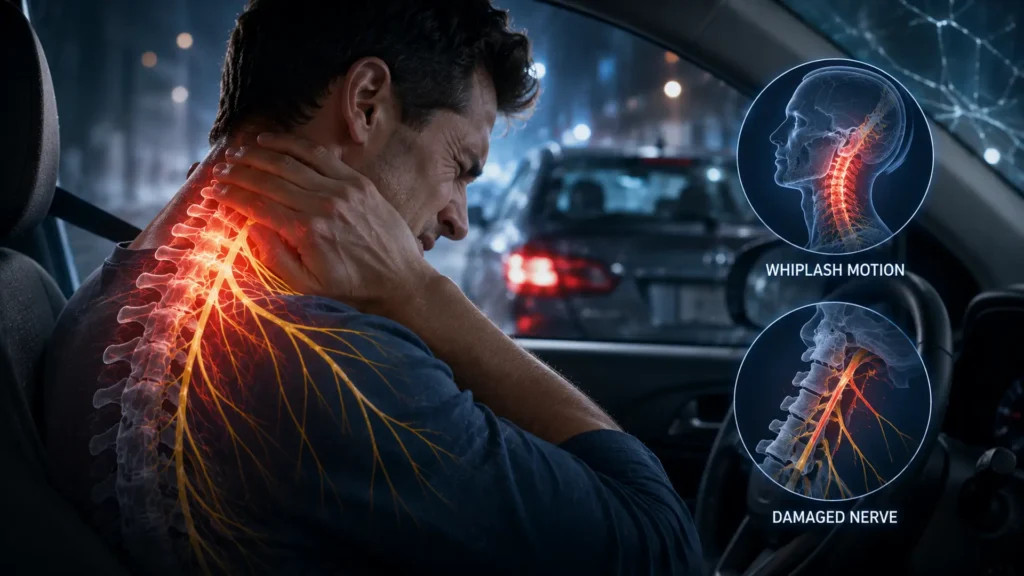
Rehabilitation therapy is a cornerstone of recovery from whiplash and nerve damage. It focuses on restoring strength, flexibility, and function to the neck and spine. At the same time, it reduces the risk of chronic issues. Physical therapy is the most common form of rehabilitation. However, other approaches can also help. Here are some key options:
- Physical Therapy. A physical therapist can design a program with exercises to strengthen neck muscles. The program also improves range of motion and reduces muscle tension. Common exercises include gentle neck stretches, shoulder rolls, and posture training.
- Chiropractic Care. Some people find relief through spinal adjustments. These help realign the cervical spine and reduce pressure on nerves.
- Occupational Therapy. This helps you regain the ability to perform daily tasks. Tasks include working or driving. It does this by adapting movements to avoid pain.
- Hydrotherapy. Exercises in warm water can reduce strain on the neck. At the same time, they promote mobility and relaxation.
A typical rehabilitation therapy plan might start with gentle movements. It usually progresses to more active exercises as your strength improves. Consistency is key. Following through with therapy sessions and at-home exercises can make a big difference in recovery. Always work with a qualified therapist. This ensures exercises are safe and effective.
Preventing Chronic Nerve Pain
Preventing chronic nerve damage and pain is a priority after a whiplash injury. This is because untreated or poorly managed nerve damage can lead to long-lasting discomfort. By taking proactive steps, you can reduce the risk of chronic issues and support healing. Here are some strategies to consider:
- Early Treatment. Seeking medical attention soon after the injury can prevent minor nerve irritation from becoming a bigger problem.
- Proper Posture. Maintaining good posture reduces strain on the spine and nerves. This is especially important when sitting or working.
- Regular Movement. Avoid staying in one position for too long. Gentle stretches or short walks can keep muscles loose.
- Stress Management. Stress can worsen muscle tension and aggravate nerve pain. Techniques like deep breathing or meditation can help.
- Healthy Lifestyle. A balanced diet, staying hydrated, and getting enough sleep support overall healing.
It’s also important to avoid activities that could re-injure the neck. This includes heavy lifting or high-impact sports. By combining these strategies with proper medical care, you can lower the chances of developing chronic pain.
When to Seek Specialist Help
Many cases of whiplash improve with rest and basic care. However, some symptoms signal the need for specialist help. If nerve damage or spinal injuries are suspected, consulting a neurologist or pain specialist is important. They can ensure proper diagnosis and treatment. Here are signs that it’s time to seek expert care:
- Persistent Pain. If pain lasts more than a few weeks despite treatment, it could indicate nerve damage or other complications.
- Worsening Symptoms. Increasing numbness, tingling, or weakness in the arms or hands suggests nerve issues. These problems need medical attention.
- Loss of Coordination. Difficulty with tasks like writing or grasping objects may point to nerve damage and dysfunction.
- Severe Headaches or Dizziness. These could indicate a more serious injury to the cervical spine or nerves.
- Limited Mobility. If neck stiffness or reduced range of motion doesn’t improve with therapy, see a specialist. A specialist can investigate underlying causes.
A neurologist can perform tests like nerve conduction studies or imaging (MRI). These tests assess the extent of nerve damage. Pain specialists might recommend advanced treatments. These include nerve blocks or specialized therapies to manage symptoms. Don’t hesitate to seek help if you’re concerned. Early intervention can prevent long-term complications.
Whiplash-related nerve damage can be challenging. However, understanding its connection to the cervical spine can lead to better outcomes. Recognizing symptoms early is equally important. Through effective pain management and consistent rehabilitation therapy, most people can recover well. Taking proactive steps to prevent chronic pain also helps. Knowing when to seek specialist help ensures that any serious issues are addressed promptly.By taking care of your neck and following medical advice, you can minimize the impact of whiplash. You can return to your normal routine with confidence.
An auto crash can be a traumatic experience. It leaves you shaken and worried about your health. Some injuries, like cuts or bruises, are visible right away. However, others can take time to show up. These delayed symptoms can catch you off guard, especially when they affect your brain or nervous system.
Understanding why these symptoms appear later can make a big difference in your recovery. Learning how to spot them is equally important. This article explains what to look out for, why these issues happen, and how to handle them.
When you’re in a car crash, your body goes through tremendous stress. The sudden jolt or impact can harm your brain or nerves, even if you feel fine at first. These neurological injuries might not show symptoms right away. That’s why staying alert in the days or weeks after a crash is so important. Knowing what to expect can help you get the care you need before things get worse.
Common Post-Traumatic Effects
After an auto crash, your body might deal with post-traumatic effects that aren’t immediately obvious. These effects can range from mild discomfort to serious health issues. Two common problems are whiplash complications and brain injury symptoms. Both can have a significant impact if not addressed properly.
Whiplash happens when your head and neck are suddenly jerked back and forth. This commonly occurs in rear-end collisions. Whiplash is one of the most common injuries from car crashes. It can lead to complications that affect your daily life. At first, you might feel neck pain or stiffness. However, other issues can develop over time, including:
- Headaches. Persistent or recurring pain, especially at the base of the skull.
- Dizziness. Feeling unsteady or lightheaded, which can make simple tasks difficult.
- Fatigue. Feeling unusually tired, even after rest.
- Shoulder or back pain. Discomfort that spreads beyond the neck.
These delayed symptoms might not show up right after the crash. Sometimes they take days or even weeks to appear. This is why paying attention to how you feel is so important.
Identifying Brain Injury Symptoms
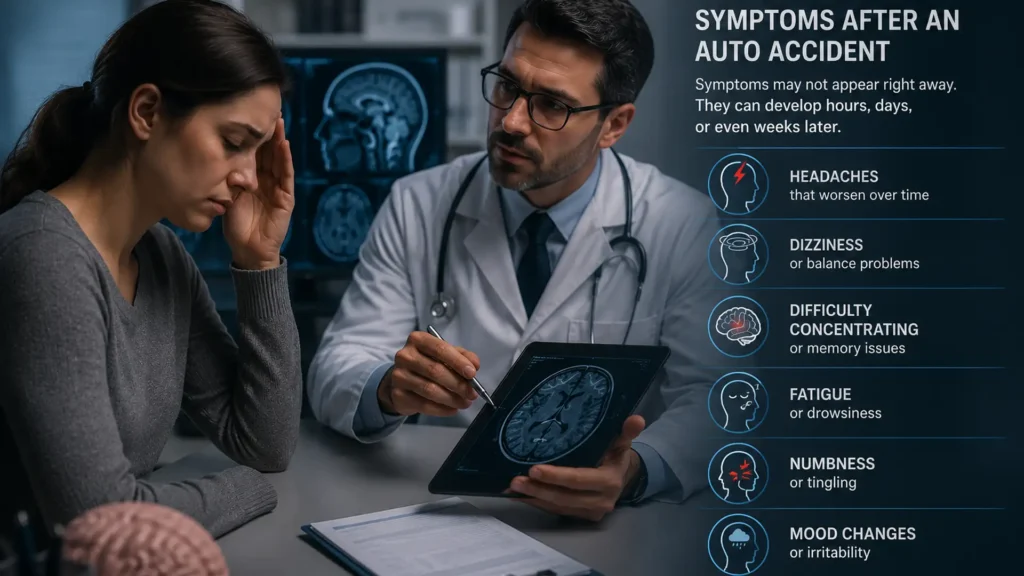
Car crashes can also cause brain injuries, even if you don’t hit your head directly. The force of the crash can make your brain move inside your skull. This leads to brain injury symptoms. These can be tricky to spot because they often overlap with other issues. Some symptoms to watch for include:
- Numbness. Tingling or loss of sensation in your arms, legs, or other areas.
- Dizziness. Feeling like the room is spinning or having trouble with balance.
- Headaches. Ongoing or severe headaches that don’t go away with rest or over-the-counter medicine.
- Confusion. Trouble focusing, remembering things, or feeling “foggy.”
- Mood changes. Feeling irritable, anxious, or sad for no clear reason.
If you notice these brain injury symptoms, even days after the crash, they could point to a brain injury. This might be a concussion or something more serious. Don’t ignore them. Early treatment can prevent bigger problems down the road.
Why Symptoms May Appear Later
You might feel confused when you feel fine right after a crash but start feeling off later. There are several reasons why delayed symptoms happen, especially with neurological injuries. Your body and brain are complex systems. They don’t always show damage right away.
One reason is adrenaline. During a crash, your body pumps out adrenaline, which can mask pain or discomfort. This “fight or flight” response helps you stay alert and deal with the situation. However, it can hide symptoms. Once the adrenaline wears off, you might start noticing pain, dizziness, or other issues.
Another reason is inflammation. After an auto accident, your body may start to swell in response to the injury. This process can take time, especially in the brain or nerves. This leads to symptoms that show up days or weeks later. For example, a mild brain injury might not cause noticeable problems at first. Problems may appear when swelling puts pressure on nearby tissues.
Finally, some injuries might not seem serious at first. These include mild concussions or whiplash. However, they can worsen if you keep doing normal activities. For instance, going back to work or exercising too soon can make symptoms more obvious over time.
Recovery Process Overview
The recovery process after an auto crash depends on the type and severity of your injuries. For neurological injuries, healing takes time, patience, and careful monitoring. The goal is to help your body and brain heal while preventing further damage. Here’s a general look at what the recovery process involves:
- Rest. Your brain and body need time to recover. Avoiding strenuous activities can prevent symptoms from getting worse. This is especially important in the first few weeks.
- Monitoring symptoms. Keep track of how you feel each day. Write down any headaches, dizziness, or mood changes. Share this information with your doctor.
- Follow-up care. Regular check-ups with a medical provider help catch any new or worsening symptoms early.
- Lifestyle adjustments. You might need to limit screen time or avoid loud noises. Taking breaks during tasks can help avoid overloading your brain.
Everyone’s recovery is different. Some people feel better in a few weeks, while others need months to fully heal. Staying in touch with your doctor is key to a smooth recovery process. Following their advice is equally important.
Treatment and Rehabilitation
Treating neurological injuries from an auto crash often involves a combination of medical care and rehabilitation. The right approach depends on your symptoms and how severe they are. Here are some common treatments and therapies that can help:
- Medication. Doctors may prescribe pain relievers for headaches or anti-inflammatory drugs to reduce swelling. If you’re dealing with mood changes or anxiety, they might suggest other medications to help.
- Physical therapy. For whiplash complications, physical therapy can improve neck strength and flexibility. A therapist can guide you through exercises to reduce pain and stiffness.
- Cognitive therapy. If you have brain injury symptoms like confusion or memory problems, cognitive therapy can help. This involves exercises to improve focus, memory, and problem-solving skills.
- Rest and relaxation techniques. Practices like deep breathing or meditation can reduce stress and help your brain heal.
- Specialist care. In some cases, you might need to see a neurologist or other specialist. They can assess and treat brain injuries.
Rehabilitation isn’t just about physical healing. It also involves supporting your mental health and helping you get back to your normal routine. Be patient with yourself. Pushing too hard can slow your recovery process.
Importance of Early Detection
Catching delayed symptoms early can make a huge difference in how well you recover from an auto crash. Neurological injuries like concussions or whiplash complications can worsen if left untreated. This can lead to long-term problems. Early detection has several benefits:
- Preventing complications. Addressing symptoms like dizziness or headaches early can stop them from turning into chronic issues.
- Faster recovery. Getting treatment sooner can shorten your recovery process and help you feel better faster.
- Better outcomes. Early care for brain injury symptoms can reduce the risk of lasting effects. This includes memory problems or mood disorders.
- Peace of mind. Knowing what’s going on with your health can reduce stress and help you focus on healing.
To catch problems early, pay attention to how you feel in the days and weeks after a crash. Even if you think it’s “just a headache” or “just feeling tired,” these could be symptoms of something more serious. See a doctor if you notice anything unusual. Don’t wait for symptoms to become unbearable.
Keep a symptom diary as well. Write down what you feel, when it started, and how severe it is. This can help your doctor figure out what’s going on. It also helps them create a treatment plan that works for you.
An auto crash can leave you with more than just a damaged car. Delayed symptoms like whiplash complications or brain injury symptoms can sneak up on you. This makes it critical to stay aware of your health. Understanding these post-traumatic effects is important. Knowing why neurological injuries might not show up right away can help you take action early.
By following a careful recovery process and seeking treatment, you can protect your health. Catching problems early also helps you get back to your normal life. If you’ve been in a car crash, don’t ignore small changes in how you feel. Talk to a doctor, keep track of your symptoms, and give yourself time to heal.Even minor crashes can cause hidden injuries like whiplash or concussions. If you need expert care, seek out professionals who provide thorough evaluations. Look for personalized treatment plans and compassionate care to support your recovery. Contact us today for a consultation. Call 678-841-7873 or contact us to schedule your appointment. Take the first step toward healing with our trusted clinic. Your brain and body will thank you for it.